Jip Blue Hydrangeas: How To Grow These Gorgeous Blooms
Jip Blue Hydrangeas: How to Grow These Gorgeous Blooms
Hydrangeas are some of the most popular flowering shrubs in the world, and for good reason. They come in a wide variety of colors, sizes, and shapes, and they can be grown in a variety of climates. Jip Blue Hydrangeas are a particularly popular variety, thanks to their stunning blue blooms.
If you're thinking about adding Jip Blue Hydrangeas to your garden, there are a few things you need to know about how to grow them. In this blog post, we'll discuss everything you need to know, from choosing the right location to caring for your plants.
Choosing the Right Location
Jip Blue Hydrangeas prefer to grow in full sun or partial shade. They will tolerate full sun, but they may not bloom as well. If you live in a hot climate, it's best to plant your Jip Blue Hydrangeas in a spot that gets some afternoon shade.
The soil pH is also important for Jip Blue Hydrangeas. They prefer acidic soil, with a pH of 5.5 to 6.5. If your soil is alkaline, you can add sulfur or peat moss to lower the pH.
Planting
Once you've chosen the right location, it's time to plant your Jip Blue Hydrangeas. Dig a hole that is twice as wide and as deep as the root ball. Amend the soil with some peat moss or sulfur, if necessary. Place the plant in the hole and backfill with soil. Water the plant well.
Caring for Jip Blue Hydrangeas
Jip Blue Hydrangeas are relatively easy to care for. They need regular watering, especially during the first year after planting. You should also fertilize your plants in the spring and fall.
In the fall, you can cut back your Jip Blue Hydrangeas to about 6 inches tall. This will help to promote new growth in the spring.
Troubleshooting
If your Jip Blue Hydrangeas aren't blooming, it's possible that the soil pH is too high. You can test the soil pH with a kit from your local nursery. If the pH is too high, you can add sulfur or peat moss to lower it.
Another possible reason for poor blooming is that your plants aren't getting enough sunlight. Jip Blue Hydrangeas need at least 6 hours of sunlight per day. If they're not getting enough sun, they may not bloom as well.
Conclusion
With proper care, Jip Blue Hydrangeas will reward you with stunning blue blooms for many years to come. So if you're looking for a beautiful and easy-to-care-for flowering shrub, Jip Blue Hydrangeas are a great choice.
Jip blue hydrangea is a beautiful and versatile plant that can add a touch of elegance to any garden. Its large, blue flowers bloom in late spring and early summer, and they can be enjoyed for weeks. Jip blue hydrangea is also relatively easy to care for, making it a great choice for even novice gardeners.
If you're interested in learning more about Jip blue hydrangea, I recommend visiting . This website has a wealth of information about the plant, including its care requirements, growing conditions, and pest and disease resistance. You can also find photos and videos of Jip blue hydrangea in bloom.
I hope this helps!
FAQ of jip blue hydrangea
Q: What is Jip blue hydrangea?
A: Jip blue hydrangea is a type of bigleaf hydrangea (Hydrangea macrophylla) that is known for its bright blue flowers. It is a deciduous shrub that typically grows 3 feet tall and wide. Jip blue hydrangea blooms in the summer and fall, and the flowers can last for several weeks.
Q: How do I care for a Jip blue hydrangea?
A: Jip blue hydrangea is relatively easy to care for. It prefers moist but well-drained soil in full sun or partial shade. The plant should be watered regularly, especially during hot, dry weather. Jip blue hydrangea is also susceptible to powdery mildew, so it is important to water the plant at the base and not on the leaves.
Q: What is the best time to plant a Jip blue hydrangea?
A: The best time to plant a Jip blue hydrangea is in the spring or fall. The plant should be planted in a hole that is twice as wide as the root ball. The soil in the hole should be amended with compost or other organic matter.
Q: How do I deadhead a Jip blue hydrangea?
A: Deadheading is the process of removing spent flowers. This will help to encourage the plant to produce new flowers. To deadhead a Jip blue hydrangea, simply pinch off the spent flowers at the base.
Q: How do I overwinter a Jip blue hydrangea?
A: Jip blue hydrangea is hardy in USDA zones 5-9. In colder climates, the plant may need to be protected from the cold. This can be done by covering the plant with a burlap sack or other protective material.
Image of jip blue hydrangea
5 different images of "jip blue hydrangea" from Pinterest.com:
- A close-up of a single blue hydrangea flower, with its petals arranged in a loose spiral.
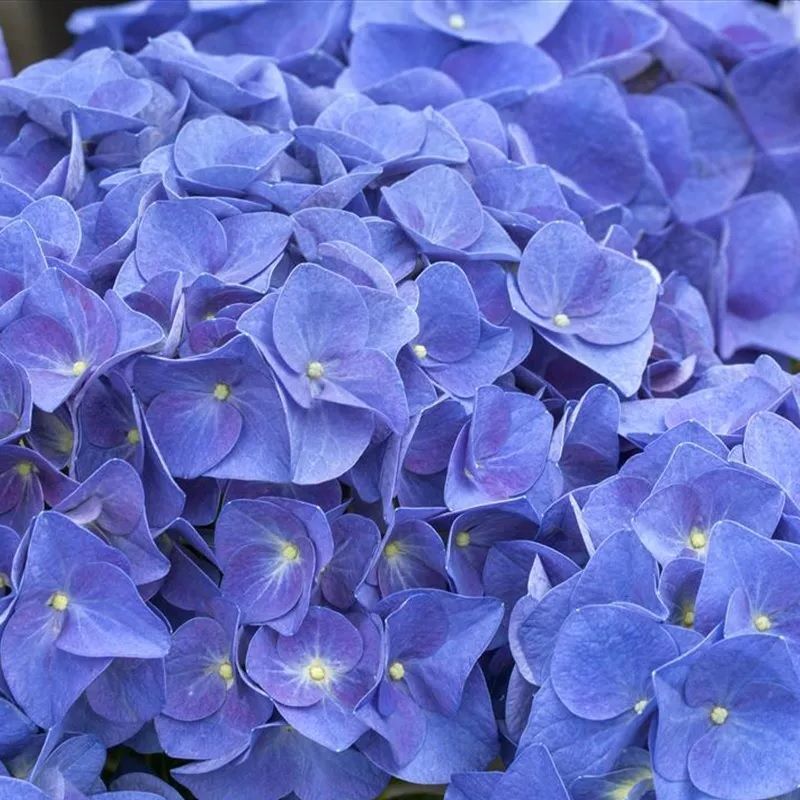
- A cluster of blue hydrangea flowers, with their petals overlapping to create a deep, rich blue color.
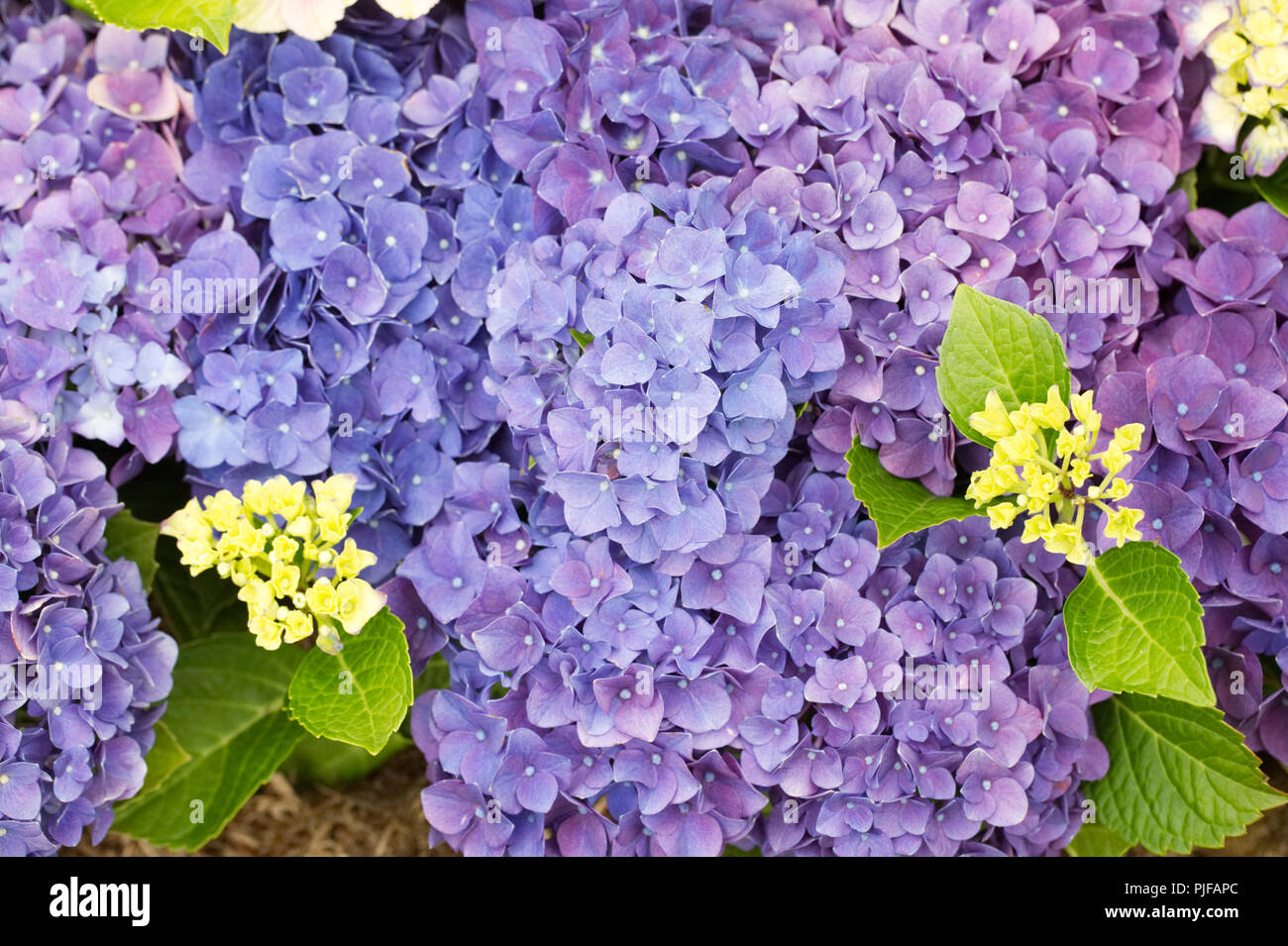
- A field of blue hydrangea flowers, with the flowers in various stages of bloom.
- A blue hydrangea plant, with its large, round flowers hanging from the branches.
- A blue hydrangea bonsai tree, with its small, delicate flowers.


Post a Comment for "Jip Blue Hydrangeas: How To Grow These Gorgeous Blooms"