Aphrodite Sweetshrub: The Ultimate Guide To Growing This Gorgeous Shrub
Title: Aphrodite Sweetshrub: The Ultimate Guide to Growing This Gorgeous Shrub
Introduction:
Aphrodite Sweetshrub (Calycanthus floridus) is a beautiful and fragrant shrub that is native to Eastern North America. It is known for its large, pink or red flowers that bloom in the spring. Aphrodite Sweetshrub is also a relatively low-maintenance plant, making it a great choice for gardeners of all skill levels.
In this blog post, we will provide an overview of Aphrodite Sweetshrub, including its history, planting and care instructions, and potential problems. We will also discuss some of the benefits of growing Aphrodite Sweetshrub in your garden.
Main Content:
History:
Aphrodite Sweetshrub has been used for centuries by Native Americans for medicinal purposes. The leaves and bark of the plant were used to treat a variety of ailments, including colds, flu, and stomachache. Aphrodite Sweetshrub was also used as a perfume and insect repellent.
The plant was first introduced to Europe in the 17th century, and it quickly became popular as an ornamental shrub. Aphrodite Sweetshrub was named after the Greek goddess of love and beauty, Aphrodite.
Planting and Care:
Aphrodite Sweetshrub is a relatively easy plant to grow. It prefers full sun to partial shade, and it can tolerate a variety of soil types. However, Aphrodite Sweetshrub does best in moist, well-drained soil.
Aphrodite Sweetshrub should be planted in the spring or fall. When planting, dig a hole that is twice as wide as the root ball of the plant. Backfill the hole with soil, and water the plant well.
Aphrodite Sweetshrub does not require a lot of fertilizer. A light application of fertilizer in the spring will help to promote flowering.
Aphrodite Sweetshrub is a relatively pest- and disease-free plant. However, it can be susceptible to aphids and scale insects. If you notice any pests or diseases, you can treat them with an insecticidal soap or neem oil.
Potential Problems:
- Aphids: Aphids are small, sap-sucking insects that can damage plants. They can be treated with an insecticidal soap or neem oil.
- Scale insects: Scale insects are small, hard-shelled insects that can also damage plants. They can be treated with an insecticidal soap or neem oil.
- Root rot: Root rot is a fungal disease that can damage plants. It can be caused by overwatering or poor drainage. If you think your plant has root rot, you should stop watering it and allow the soil to dry out. You may also need to treat the plant with a fungicide.
Benefits of Growing Aphrodite Sweetshrub:
- Aphrodite Sweetshrub is a beautiful and fragrant shrub that can add a touch of elegance to any garden.
- Aphrodite Sweetshrub is relatively low-maintenance, making it a great choice for gardeners of all skill levels.
- Aphrodite Sweetshrub is a deer-resistant plant, so you don't have to worry about it being eaten by deer.
- Aphrodite Sweetshrub is a good source of nectar for butterflies and other pollinators.
Conclusion:
Aphrodite Sweetshrub is a beautiful and fragrant shrub that is easy to grow and care for. It is a great choice for gardeners of all skill levels, and it can add a touch of elegance to any garden.
The aphrodite sweetshrub is a beautiful and fragrant shrub that is native to China and the southwestern United States. It is named after the Greek goddess of love, Aphrodite, and its flowers are said to have been inspired by her beauty. The aphrodite sweetshrub blooms in the spring and summer with large, fragrant flowers that come in a variety of colors, including red, pink, and white. The shrub is also a good source of nectar for butterflies and bees.
If you are interested in learning more about the aphrodite sweetshrub, please visit Home Gardening. This website has a wealth of information about the shrub, including its history, cultivation, and care. You can also find photos of the shrub in bloom, as well as information about where to purchase it.
FAQ of aphrodite sweetshrub
Q: How do I care for Aphrodite Sweetshrub?
A: Aphrodite Sweetshrub is a relatively easy plant to care for. It prefers full to part sun, but can tolerate some shade. It needs moist, well-drained soil. It is not too fussy about soil pH, but it will do best in slightly acidic soil. Water regularly, especially during hot, dry weather. Fertilize once a year in spring with a balanced fertilizer.
Q: Where is the best place to plant Aphrodite Sweetshrub?
A: Aphrodite Sweetshrub is a beautiful and fragrant plant that can be enjoyed in many different settings. It is a good choice for planting near a front door, patio, or other living areas where the fragrance can be enjoyed. It can also be planted in borders, hedges, or as a specimen plant.
Q: What are some common pests and diseases that affect Aphrodite Sweetshrub?
A: Aphrodite Sweetshrub is relatively pest- and disease-resistant. However, it can be susceptible to aphids, scale, and powdery mildew. If you see any pests or diseases on your plant, treat them promptly with an appropriate insecticide or fungicide.
Q: How do I propagate Aphrodite Sweetshrub?
A: Aphrodite Sweetshrub can be propagated by seed, division, or cuttings. Seed propagation is the most difficult method, but it can be successful if you start the seeds indoors early in the spring. Division is the easiest method, and it can be done in spring or fall. Cuttings can be taken in summer or fall, and they should be rooted in a well-draining potting mix.
Q: When is the best time to prune Aphrodite Sweetshrub?
A: Aphrodite Sweetshrub can be pruned in late winter or early spring. Pruning is not essential, but it can help to keep the plant compact and encourage new growth. When pruning, remove any dead, diseased, or damaged branches. You can also thin out the plant by removing some of the older branches.
Image of aphrodite sweetshrub
- Aphrodite sweetshrub in bloom. This image shows a large, lush shrub covered in fragrant, pink flowers.
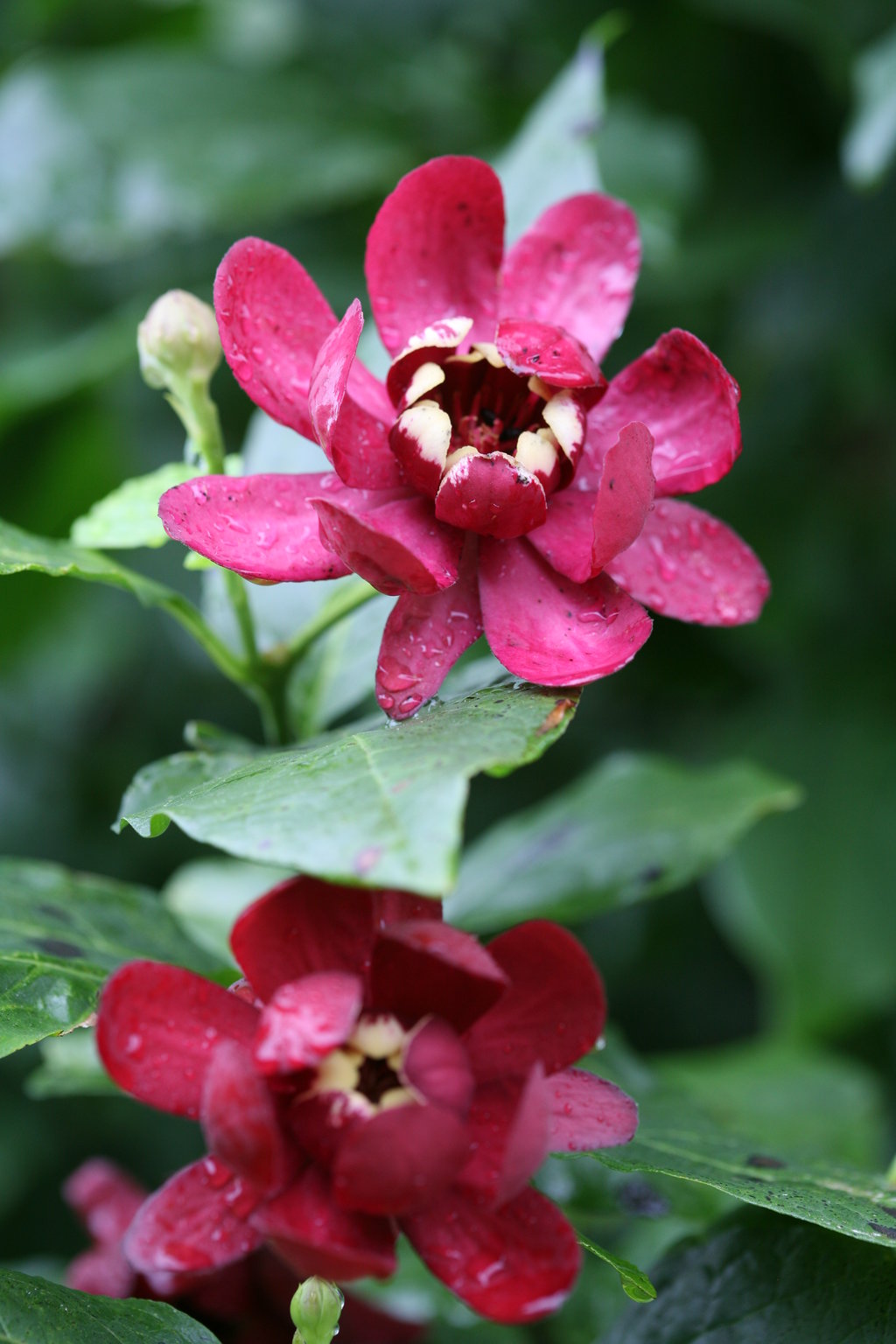
- A close-up of Aphrodite sweetshrub flowers. This image shows the delicate petals of the flowers, which are a deep pink color.
- A Aphrodite sweetshrub shrub in fall. This image shows the shrub's foliage in fall, which turns a beautiful shade of red.

- A Aphrodite sweetshrub shrub in winter. This image shows the shrub's bare branches in winter.

- A Aphrodite sweetshrub shrub in a garden setting. This image shows the shrub planted in a garden, with other flowering plants and trees.
- A Aphrodite sweetshrub shrub as a hedge. This image shows the shrub planted as a hedge, with its branches neatly trimmed.

- A Aphrodite sweetshrub shrub in a pot. This image shows the shrub planted in a pot, which makes it a good choice for patios and decks.

- A Aphrodite sweetshrub shrub with butterflies. This image shows the shrub with several butterflies fluttering around the flowers.
- A Aphrodite sweetshrub shrub with bees. This image shows the shrub with several bees buzzing around the flowers.
- A Aphrodite sweetshrub shrub with a bird. This image shows the shrub with a bird perched on one of the branches.


Post a Comment for "Aphrodite Sweetshrub: The Ultimate Guide To Growing This Gorgeous Shrub"